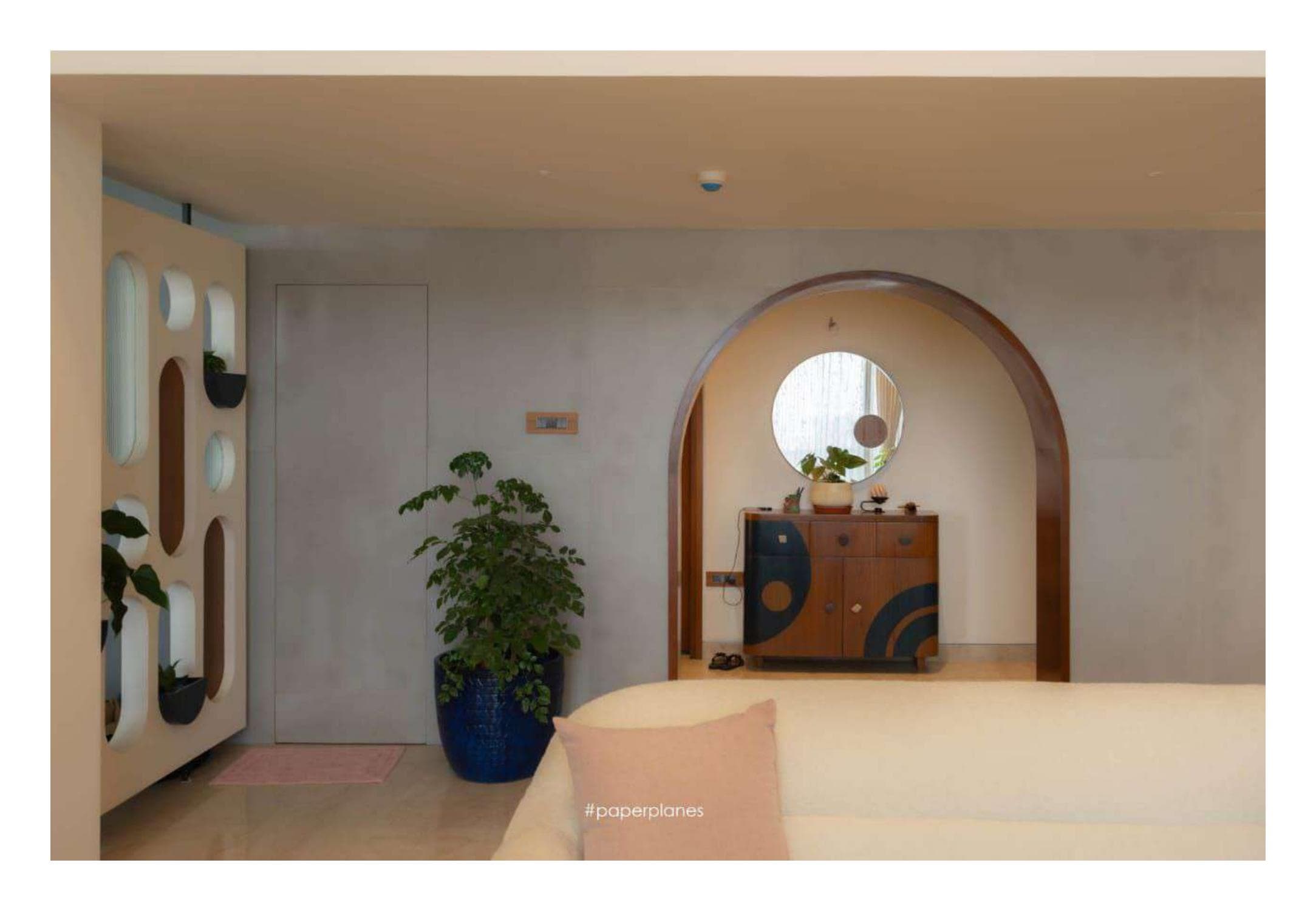
Bringing nature indoors is no longer just a trend — it's a design philosophy. Discover how to incorporate biophilic elements.
Biophilic design — the practice of connecting interior spaces with nature — has moved from boutique hotels and corporate offices into everyday Indian homes. And for good reason: studies consistently show that natural elements reduce stress and improve wellbeing.
The simplest entry point is greenery. Indoor plants like pothos, snake plants, and fiddle-leaf figs thrive in Indian climates and add life to any room. Group plants at varying heights for a layered, garden-like effect.
Natural materials ground a space in warmth and authenticity. Teak, rattan, cane, and stone bring tactile richness that synthetic finishes cannot replicate. Even a single wooden accent wall can shift the entire mood of a room.
Maximise natural light wherever possible. Sheer curtains, light-filtering blinds, and strategically placed mirrors help daylight penetrate deeper into your home — reducing dependence on artificial lighting during the day.
Water features, while less common in apartments, can be adapted through small tabletop fountains or wall-mounted cascades that add soothing ambient sound to living areas and balconies.
Biophilic design is not about turning your home into a greenhouse. It is about creating subtle, intentional connections to the natural world — making your space feel calmer, healthier, and more alive.